
Urban Coyotes and Small Pets in Austin Neighborhoods
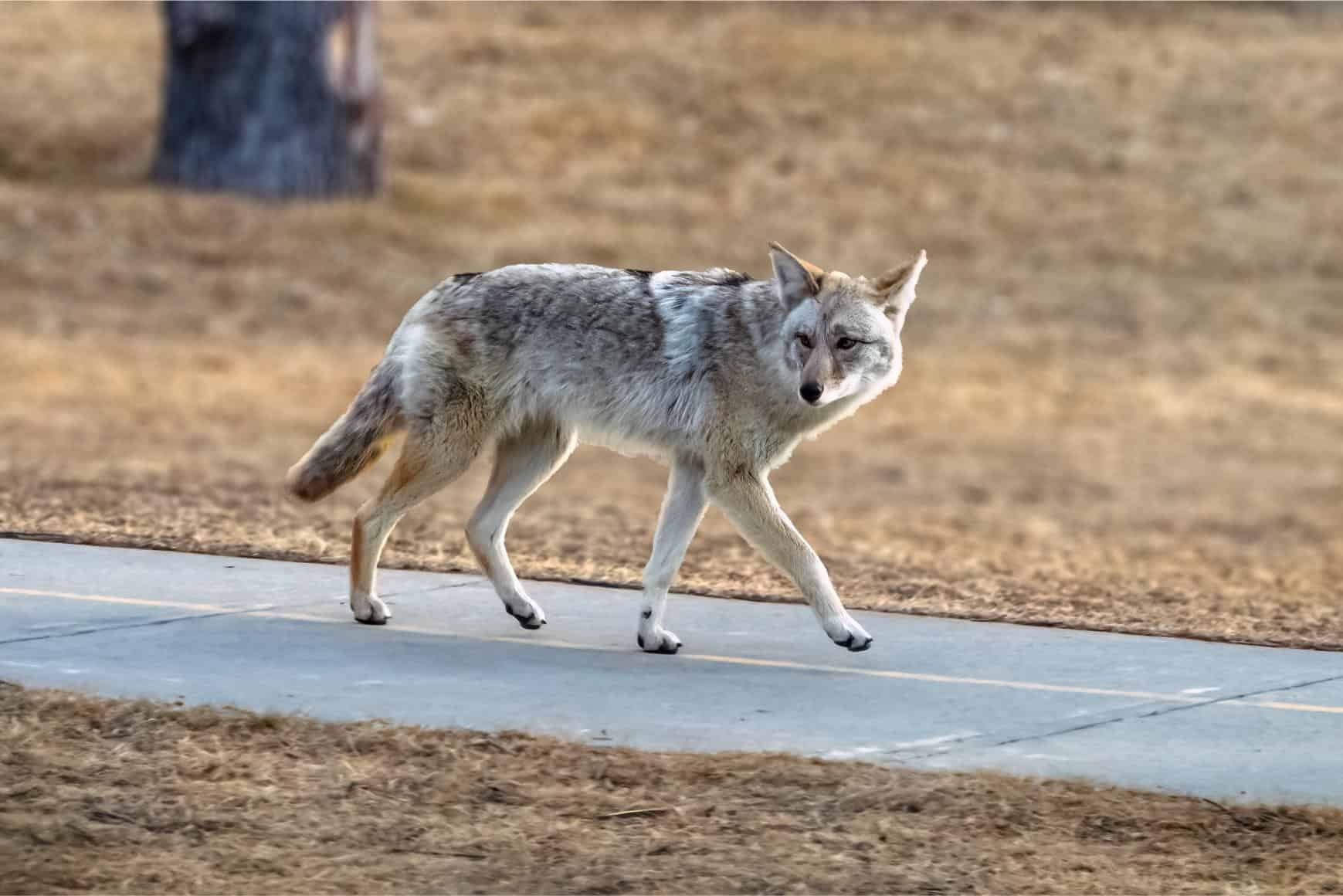
As Austin continues to grow, it’s not unusual to see more wildlife sharing the spaces we call home. One concern we hear about often at BEEVET Animal Hospital is the interaction between coyotes and Austin pets. While these animals are a natural part of the Texas ecosystem, understanding how to coexist with them safely is key to protecting your pet.
Why Coyotes Are Increasingly Visible in Neighborhoods in Austin
Coyotes are highly adaptable and have become more comfortable living near people. In many cases, coyotes are simply taking advantage of easily available food sources and shelter.
Factors contributing to increased sightings include:
- Expanding residential development into natural habitats
- Easy access to food, such as unsecured trash or pet food left outdoors
- Greenbelts, parks, and trails that provide safe travel corridors
While coyotes typically avoid humans, they may become bolder over time—particularly if they associate neighborhoods with food.
Which Pets Are Most at Risk?
Not all pets face the same level of risk. Small animals are especially vulnerable, which makes awareness and prevention especially important for pet owners.
Pets most at risk include:
- Small dogs, particularly those under 20 pounds
- Outdoor cats or cats allowed to roam freely
- Rabbits, birds, and other small or exotic pets housed outdoors
Even where urban coyotes and dogs in Austin rarely interact directly, curiosity or territorial behavior can lead to dangerous encounters. Staying mindful of your pet’s size and habits can help guide safer routines.
How Coyote Encounters Happen
Understanding how interactions occur can help you take proactive steps. Most encounters happen when pets are unattended or when coyotes are drawn into a yard.
Common scenarios include:
- Letting pets out alone at night or in the early morning
- Walking dogs off-leash near wooded or brush-heavy areas
- Leaving pet food, bird seed, or trash accessible outdoors
- Coyotes jumping fences or slipping through gaps
These situations don’t guarantee a problem, but they do increase the likelihood of an encounter.
Practical Tips for Protecting Your Pet
The good news is that there are simple, effective ways to reduce the risk posed by Austin wildlife to pets’ safety. Small adjustments to your routine can make a big difference.
Consider the following:
- Keep pets on a leash during walks, especially at dawn and dusk
- Supervise outdoor time, even in fenced yards
- Bring cats indoors, particularly overnight
- Remove food sources, including pet bowls and unsecured trash
- Install motion-activated lights in your yard
These steps not only help protect your pet, but also discourage coyotes from becoming too comfortable around your home. Consistency is key. Over time, these habits can significantly lower your risk.
When to Be Concerned
Seeing a coyote occasionally is not necessarily cause for alarm. However, certain behaviors may indicate a higher level of risk.
You should take extra precautions if you notice:
- Coyotes approaching people or pets without hesitation
- Daytime activity in busy residential areas
- Repeated sightings in the same location
If your pet has had a close call or you’re unsure how to adjust your routine, your veterinarian can make suggestions tailored to your situation.
Supporting Your Pet’s Safety and Well-Being
Living alongside wildlife is part of life in Central Texas, but that doesn’t mean you have to feel uncertain about your pet’s safety. By staying aware of your surroundings and making a few thoughtful changes, you can help your pet enjoy the outdoors more safely.
If you have questions about protecting your pet, the staff at BEEVET Animal Hospital is here to help. Call (512) 263-9292 to schedule a wellness care visit and keep your pet on track with preventive care.