
Why Spring Can Be a Tough Season for Exotic Pets in Texas
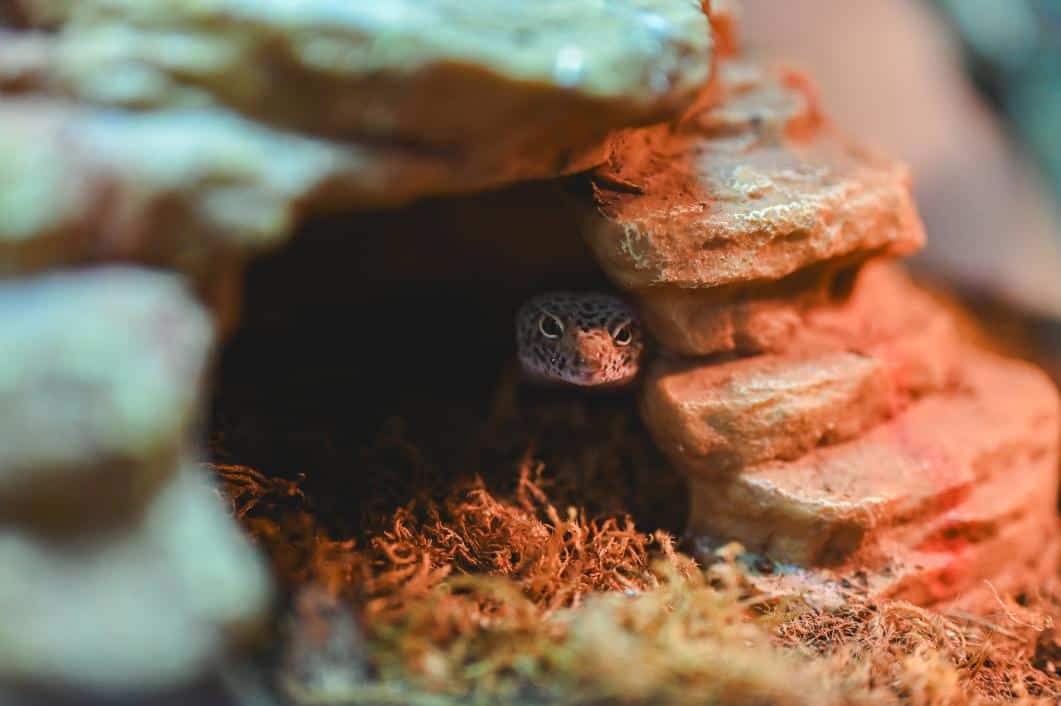
Exotic pets are highly sensitive to changes in temperatures, and spring is a major season of temperature changes. From reptiles to birds to small mammals, the team at BEEVET Animal Hospital shares what you need to know about spring temperature swings in exotic pets.
Why Do Temperature Swings Affect Exotic Pets?
Many exotic pets are sensitive to changes in their environment because they rely on external heat and humidity sources to stay regulated. You’ve probably set up the ideal enclosure for your exotic pet with all the right lighting, heating, and humidity sources.
But you may be surprised at how much the temperature outside the enclosure—and outside your home—can affect what goes on inside the enclosure.
Consider the:
- Influx of spring sunshine streaming through all your windows
- Changes in humidity as spring storms roll through
- Upticks or downticks in heating and cooling systems
All of the weather changes can impact your exotic pet’s body systems and cause them stress. For reptiles, this instability in temperatures can affect their metabolism and immune health.
Birds and small mammals are also vulnerable, and often, their little bodies have to work harder to keep pace with the changing conditions. Especially if they’re emerging from a long, snoozy, relatively stable winter, temperature-wise.
Remember: they’re tiny, fragile, and highly dependent on their parents. That’s you!
Here’s what you can do to help support reptile, bird, and small mammal health through a Texas springtime.
1. Create a Consistent Environment
Consistency is key in keeping your small exotic pet comfortable. A beam of sunshine pouring through a window can feel delicious to you, but for a bird or small mammal, it can create a potentially unpleasant spike in heat. Consider moving your bird or exotic mammal’s enclosure away from windows, doors, and heating or cooling vents to minimize fluctuations in temperature.
For reptiles, use thermostats and timers to stabilize their heat sources, and check enclosure temperatures throughout the day. Morning, noon, and evening are all ideal times to check.
As long as temperatures inside the enclosure stay within the safe range for your pet’s species, avoid adjusting anything reactively. This could make things worse instead of better.
2. Watch for Subtle Signs of Stress
Seasonal stress doesn’t always crop up all of a sudden. Exotic pet stress due to weather changes can build up over days or even weeks. It’s easy to miss the early warning signs of stress if you’re not looking for them.
Check in with your feathered, furry, or scaly friends daily, keeping an eye out for appetite changes, skipped meals, lower activity levels, unusual hiding, or changes in posture, breathing, and vocalization.
Of course, signs of discomfort can vary a lot by species. Birds might react to spring temperature shifts by fluffing their feathers, snapping their beaks at you, or singing less often.
Small mammals might show their heat stress in the spring through breathing too quickly or lying around more than usual.
When you catch these signs early, you can make adjustments to help prevent more serious health issues later on. Or, if the signs of distress don’t go away after you adjust the temperature, you can reach out to your exotic pet vet for help.
3. Schedule a Preventive Care Visit
Preventive care can help you review your pet’s health with an experienced veterinarian. Your vet can evaluate your pet’s enclosure, perform physical exams, and take note of any symptoms of distress. With an annual or bi-annual review of your pet’s health, your exotic critter can weather temperature fluctuations more easily.
For exotic vet care in Austin, reach out to the experienced team at BEEVET Animal Hospital. Schedule a wellness or urgent care visit for your exotic pet today at (512) 263-9292.