
Snake Bite Protocol for Pets in Central Texas
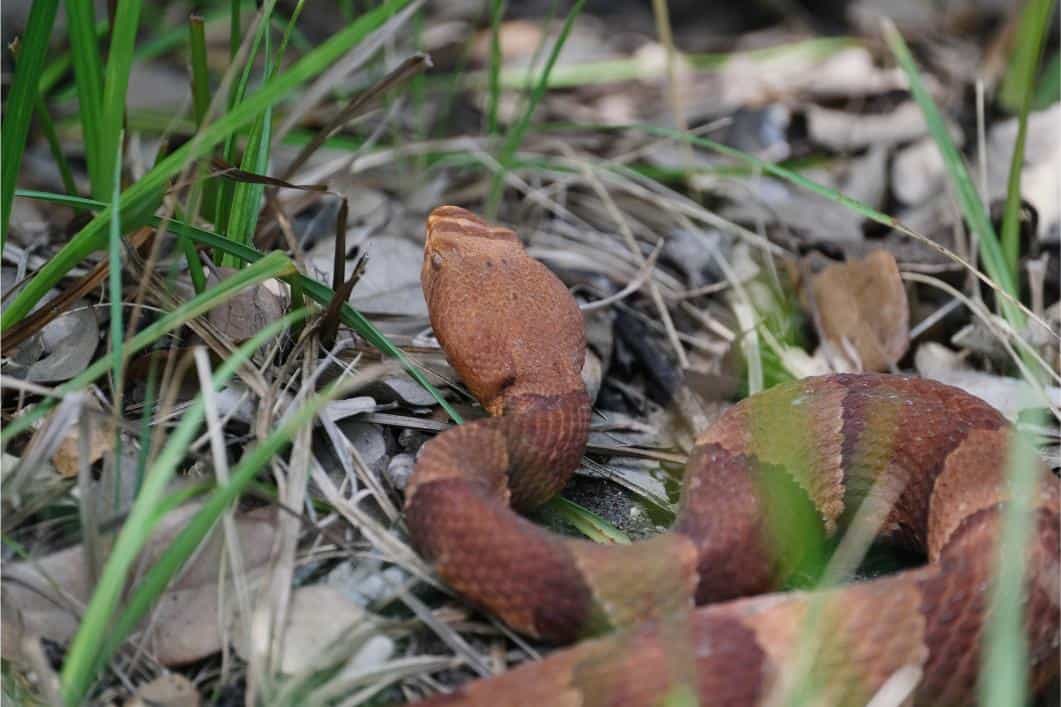
Central Texas is beautiful, but it’s also home to a variety of venomous snakes. Curious dogs and outdoor cats can encounter snakes while hiking, exploring backyards, or even lounging near brush and rock piles. At BEEVET Animal Hospital in Austin, TX, we treat snake bites as true medical emergencies. Knowing what to do in the moments after a dog snake bite can make a critical difference in your pet’s outcome.
Common Texas Venomous Snakes
Several species of Texas venomous snakes live in and around the Austin area. The most common include:
- Rattlesnakes
- Copperheads
- Cottonmouths (water moccasins)
While not every snake is venomous, it can be difficult to identify a species in the moment. Rattlesnakes are responsible for many serious cases. If a rattlesnake bites your dog, you should seek immediate treatment. But because venom can cause rapid tissue damage and systemic effects, it’s safest to assume a suspected bite by any snake is an emergency.
If you see your pet strike at a snake, yelp suddenly, or return from the yard with unexplained swelling, act quickly.
Signs of a Snake Bite in Pets
Snake bites most often occur on the face, muzzle, or legs. Symptoms can develop within minutes to a few hours.
Watch for:
- Sudden swelling, especially around the face or limb
- Pain or sensitivity at the site
- Puncture wounds
- Bruising or bleeding
- Weakness or collapse
- Vomiting or drooling
- Difficulty breathing
Some pets may appear dazed or unusually quiet. Others may cry out and then hide. Even if symptoms seem mild at first, venom can continue to spread. Prompt evaluation by an emergency snakebite vet is essential.
What to Do After a Suspected Snake Bite
If you suspect a snake bite, stay calm and focus on getting your pet to veterinary care as quickly and safely as possible.
Here’s what to do:
- Keep your pet as still and quiet as you can
- Carry your pet if you can, to limit movement
- Remove collars if there is facial or neck swelling
- Call ahead to alert the veterinary team
- Avoid cutting the wound or attempting to suck out venom
Limiting activity helps slow venom circulation. Calling ahead allows our clinic to prepare for immediate assessment and treatment upon arrival.
Avoid home remedies or waiting to “see how it goes.” Delays can lead to more extensive tissue damage and systemic complications.
How Snake Bites Are Treated
At the hospital, your veterinarian will perform a physical exam and assess vital signs. Bloodwork may be recommended to evaluate clotting ability and organ function.
Treatment for a dog snake bite may include:
- IV fluids to support circulation and blood pressure
- Pain management
- Monitoring for shock or breathing difficulty
- Wound care
- Pet antivenom treatment when indicated
Antivenom works by neutralizing venom circulating in the bloodstream. Early administration of pet antivenom treatment can significantly improve recovery and reduce complications. In moderate to severe cases, especially involving rattlesnakes, treatment often includes hospitalization for monitoring.
The severity of symptoms depends on the type of snake, the amount of venom injected, the size of the pet, and how quickly care is provided.
Prevention Tips for Central Texas Pet Owners
While you can’t eliminate all risk, you can reduce the chances of an encounter.
Consider these precautions:
- Keep grass trimmed and brush cleared
- Avoid walking pets in tall grass or rocky areas at dusk
- Use a leash on trails
- Supervise pets in snake-prone areas
- Schedule regular yard inspections
Remaining aware of your surroundings during outdoor activities can help you spot potential hazards before your pet does.
When Every Minute Counts
A suspected snake bite is always a veterinary emergency. Quick action, proper stabilization, and timely treatment can mean the difference between a smooth recovery and serious complications.
If your pet has been bitten or you suspect a snake bite, call BEEVET Animal Hospital immediately at (512) 263-9292. During our normal business hours, our veterinarians and staff are prepared to provide urgent, compassionate care. Contact us right away so we can help your pet get the treatment they need.