
Heatstroke vs Heat Exhaustion in Dogs: Key Differences
Living in hot places like Texas means we are no strangers to blazing sidewalks, sizzling car seats, and dogs who think they are still ready for a walk at noon. But here is the tricky part. Dogs do not sweat the way we do, which makes them more vulnerable to heat illness in Texas than we often realize.
Understanding the difference between heat exhaustion and heatstroke in dogs can genuinely save your pet’s life. One can escalate into the other faster than most pet parents expect, especially during summer walks, backyard playtime, or even just a warm afternoon nap in the sun.
Let’s break it down in a simple way so you know exactly what to watch for and when your pet is in danger of heat exhaustion.
Heat Exhaustion: The Early Warning Stage
Heat exhaustion is the first clear sign that your dog is overheating. It is the body’s way of signaling that things are becoming too warm and action is needed. This stage usually happens after exercise, exposure to high temperatures, or lack of access to shade and water.
Symptoms of heat exhaustion:
- Heavy or fast panting
- Excessive drooling
- Lethargy or slowing down
- Bright red gums or tongue
- Seeking shade or lying down suddenly
- Mild unsteadiness
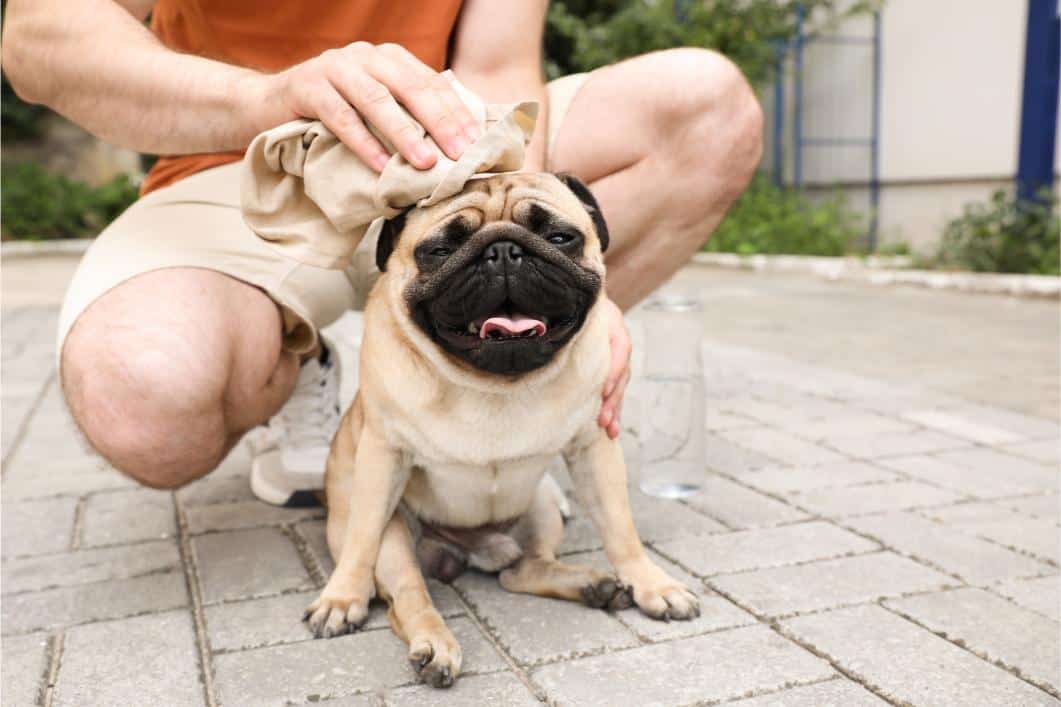
This is the moment where quick action matters. Move your dog to a cooler area, offer small amounts of water, and use cool (not ice-cold) damp towels on their body. Heat exhaustion can often be reversed if caught early, but if you ignore it, things can get dangerous.
Heatstroke: A Medical Emergency
Heatstroke is the severe progression of heat exhaustion and should always be treated as a medical emergency. At this stage, the body can no longer regulate temperature, and internal damage can begin quickly.
Emergency heatstroke signs:
- Vomiting or diarrhea
- Collapse or inability to stand
- Disorientation or confusion
- Seizures
- Very fast heart rate
- Gums that appear pale, dark red, or bluish
When these symptoms appear, immediate veterinary care is required. Cooling measures at home are not enough at this point, and delaying treatment can lead to serious complications or even death.
The Stages of Heatstroke & How Fast It Can Progress
Heatstroke does not usually happen all at once. It develops in stages, often faster than expected.
Stage 1: Heat Stress
- Increased panting
- Restlessness
- Early signs of dehydration
Stage 2: Heat Exhaustion
- Noticeable weakness
- Heavy panting that does not slow down
- Drooling and fatigue
- Difficulty maintaining normal activity
Stage 3: Heatstroke
- Collapse or inability to stand
- Severe confusion or disorientation
- Vomiting or possible seizures
- Organ stress and potential failure
The progression can happen quickly, especially in hot climates. This is why heat illness in dogs in Texas is such a serious concern during the summer months.
What to Do Before It Becomes an Emergency
Knowing when your pet is in danger of heat exhaustion is half the battle. The other half is prevention and fast action.
Simple ways to prevent heat illness:
- Walk dogs early morning or late evening
- Always bring water on outings
- Avoid hot pavement (if it is too hot for your hand, it is too hot for paws)
- Never leave dogs in parked cars, not even for a minute
- Provide constant shade if they are outside
If you ever feel unsure, it is always better to treat it like a warning sign. Dogs often push through discomfort just to stay with us, so they may not stop themselves even when they should.
Don’t Wait for It to Get Serious
Heat illness moves fast, and dogs rely on us to notice the signs before things escalate. Knowing the difference between heat exhaustion and heatstroke gives you the power to act early, stay calm, and protect your pet when it matters most.
If you ever suspect something is off, trust your instincts and reach out to BEEVET Animal Hospital right away. Quick action can make all the difference between a scary moment and a medical emergency.