
Why More Austin Dogs Experience Heat Stress in September Than Pet Owners Expect
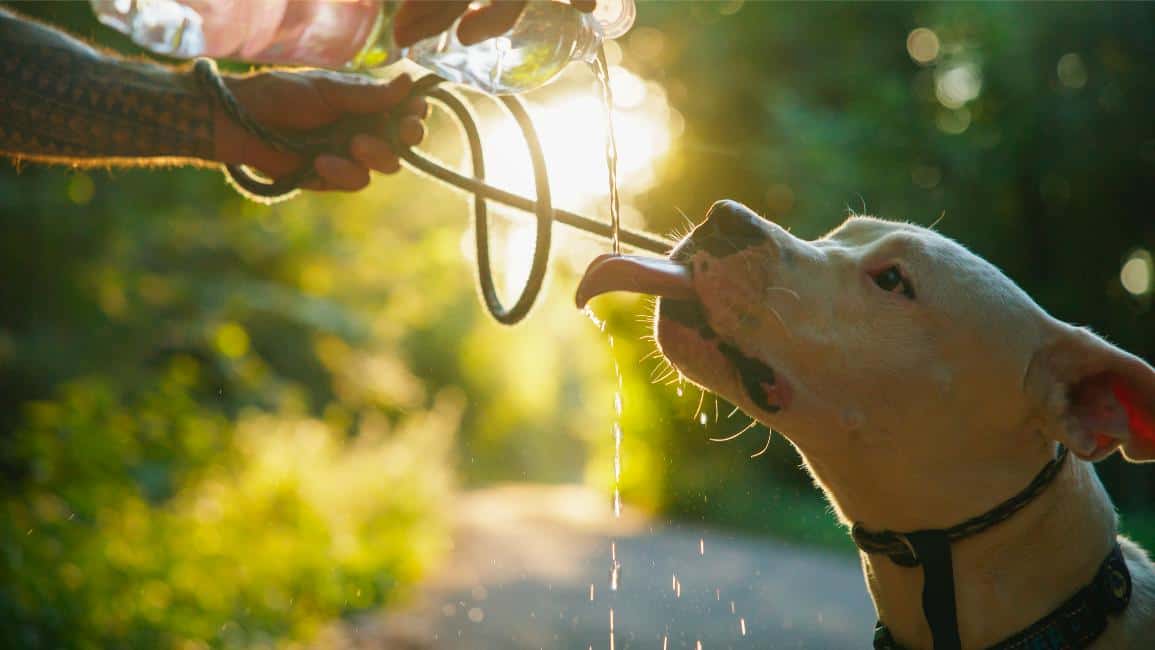
It’s September, which means pumpkin spice lattes, cozy sweaters, and crisp fall air…right? Not so fast. For those of us here in Austin, Texas, September is really just another month of the summer. September pet care, then, is a continuation of everything we do in May, June, July, and August to keep our pets safe from heat-related health issues.
Here’s what the team at BEEVET Animal Hospital wants pet parents to know about Texas pet safety in the early fall months.
It’s Still (Very) Hot Outside
Unfortunately for us Austinites, it’s going to stay hot outside for at least another month or two. Because of this, Texas pet parents can’t let up on all the things we do to keep our pets from overheating when we spend time outdoors.
It means continuing to make sure we do not ever leave our dogs in hot cars, even with the windows cracked open. It means making sure our precious pooches have plenty of clean, cool water to drink from when they spend any amount of time outdoors. And it means making sure that—if your dog spends a lot of time outdoors—there are plenty of shady areas to cool off in.
Outdoor dog safety in the early fall also means staying vigilant about bringing enough water for your pooch (and for yourself) when you go hiking on one of Austin’s beautiful local trails, like the Barton Creek Greenbelt or Walnut Creek Metropolitan Park.
One of our favorite solutions is this insulated doggy water bottle from Chewy, which allows you to keep water cool and then pour it into the attached water bowl for easy lapping.
Avoiding heat stress in dogs also means knowing the signs that your pup isn’t feeling quite right—and knowing what to do about it.
Signs of Overheating in Dogs
The primary sign of dog overheating to watch out for is rapid panting, which is often paired with a steady stream of drool as your dog’s body attempts to cool off. Other serious signs include gums that are bright red instead of bubblegum pink, vomiting or weakness, and collapse.
If your dog shows any of these signs of heat stress, move her to a cool area indoors right away. Apply cool (not ice-cold) washcloths to her belly, paws, and nose, and offer small amounts of cool (again, not ice-cold) water, without forcing her to drink it if she isn’t interested.
Then, contact your veterinarian, an urgent care veterinarian, or an emergency vet if it’s after hours. Your veterinarian can walk you through the necessary steps to make sure your pet can recover from the heat stress—and signs to watch out for that indicate inner damage that requires immediate veterinary attention.
An Ounce of Prevention is Worth a Pound of Cure
This may be an old saying, but it’s just as true now as it was back when it was uttered for the very first time. The best thing you can do for dog heat stress is to avoid it entirely. Make sure your canine companion always has a cool place to rest and plenty of fresh water, and avoid strenuous activity during the hottest parts of the day.
If you suspect your pet is coming down with heat exhaustion despite your best efforts, our experienced veterinary team at BEEVET Animal Hospital can help. Call us at 513-263-9292 to schedule an emergency veterinary appointment today.