Austin Lakes and Leptospirosis Mud Zones
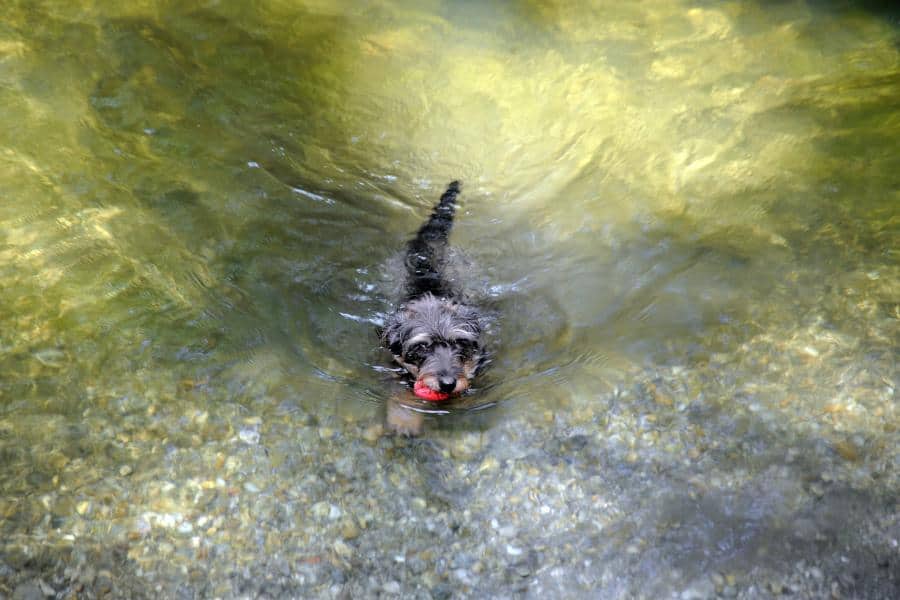
Spring in Austin has a way of calling everyone outdoors, dogs included. As lake levels rise, trails turn muddy, and temperatures warm up, it’s prime time for splashing and zoomies. But beneath the fun lurks a less charming seasonal concern: leptospirosis. At BEEVET Animal Hospital, we see an uptick in questions (and cases) this time of year as pets encounter more standing water and muddy shorelines around Central Texas.
Understanding where risks hide and how to reduce them can help you enjoy the season while keeping your dog healthy.
What Is Leptospirosis, Exactly?
Leptospirosis is a bacterial infection spread through the urine of infected wildlife, including rodents, raccoons, and other mammals. The bacteria thrive in warm, wet environments, making spring and early summer an ideal breeding ground.
Dogs can become infected when the bacteria enter through the mouth, nose, eyes, or small cuts in the skin, often after wading, swimming, or rolling in contaminated water or mud. This is why Austin lake leptospirosis is a recurring concern near popular recreation areas.
Left untreated, leptospirosis can affect the kidneys, liver, and other organs, and it can be life-threatening. It’s also zoonotic, meaning it can spread from pets to people.
Why Austin Lakes and Muddy Areas Raise the Risk
Austin’s lakes, greenbelts, and off-leash areas are a big part of the city’s lifestyle, and they’re also hotspots for seasonal exposure. Heavy rains wash bacteria into lakes and create stagnant puddles along shorelines and trails. Muddy zones may look harmless, but they often concentrate bacteria from multiple sources.
This combination of moisture, warmth, and wildlife activity makes lake bacteria and pets a key concern for local dog owners, especially those with water-loving pups.
Signs of Leptospirosis to Watch For
Symptoms can range from mild to severe, and some dogs may not show signs right away. Early detection is key, so keep an eye out for changes after water or mud exposure, including:
- Fever
- Lethargy or weakness
- Loss of appetite
- Vomiting or diarrhea
- Increased thirst or urination
- Muscle tenderness or stiffness
If your dog seems “off” after a lake day or muddy hike, it’s worth a call.
Practical Water and Mud Safety Tips for Dogs
Enjoying the outdoors doesn’t mean avoiding it altogether—it means being smart about water dog safety in Texas. A few simple habits can significantly reduce risk.
Before and during outings, keep these tips in mind:
- Avoid letting your dog drink from lakes, creeks, puddles, or standing water
- Rinse your dog off after swimming or muddy play, especially paws and belly
- Check for cuts or scrapes that could allow bacteria to enter the bloodstream
- Stick to well-maintained areas and avoid stagnant or foul-smelling water
These precautions help reduce spring mud risk for pets without putting a damper on outdoor fun.
Vaccination and Prevention Matter
One of the most effective tools against leptospirosis is vaccination. Dogs that frequently visit lakes, hike trails, attend daycare, or live near wildlife-heavy areas often benefit from added protection.
Your veterinarian can help determine whether the leptospirosis vaccine fits your dog’s lifestyle and risk level. Prevention plans should always be personalized, especially in a city with as much outdoor access as Austin.
Enjoy Spring—With a Little Extra Awareness
Austin’s lakes and trails are meant to be enjoyed, muddy paws and all. A bit of seasonal awareness goes a long way toward keeping adventures fun rather than stressful. Knowing where risks hide and taking simple preventive steps can protect both pets and people.
If you have questions about leptospirosis, vaccines, or post-lake checkups, our veterinarians and staff are here to help. Call (512) 263-9292 to schedule a wellness visit and make sure your dog is ready for a safe, splash-filled season.